Iran Hails India’s BRICS Leadership, Backs Trade in National Currencies
Iranian Foreign Minister Abbas Araghchi has praised India’s leadership of BRICS and backed greater use of national currencies for trade, while saying the proposal for a common BRICS currency remains under consideration.

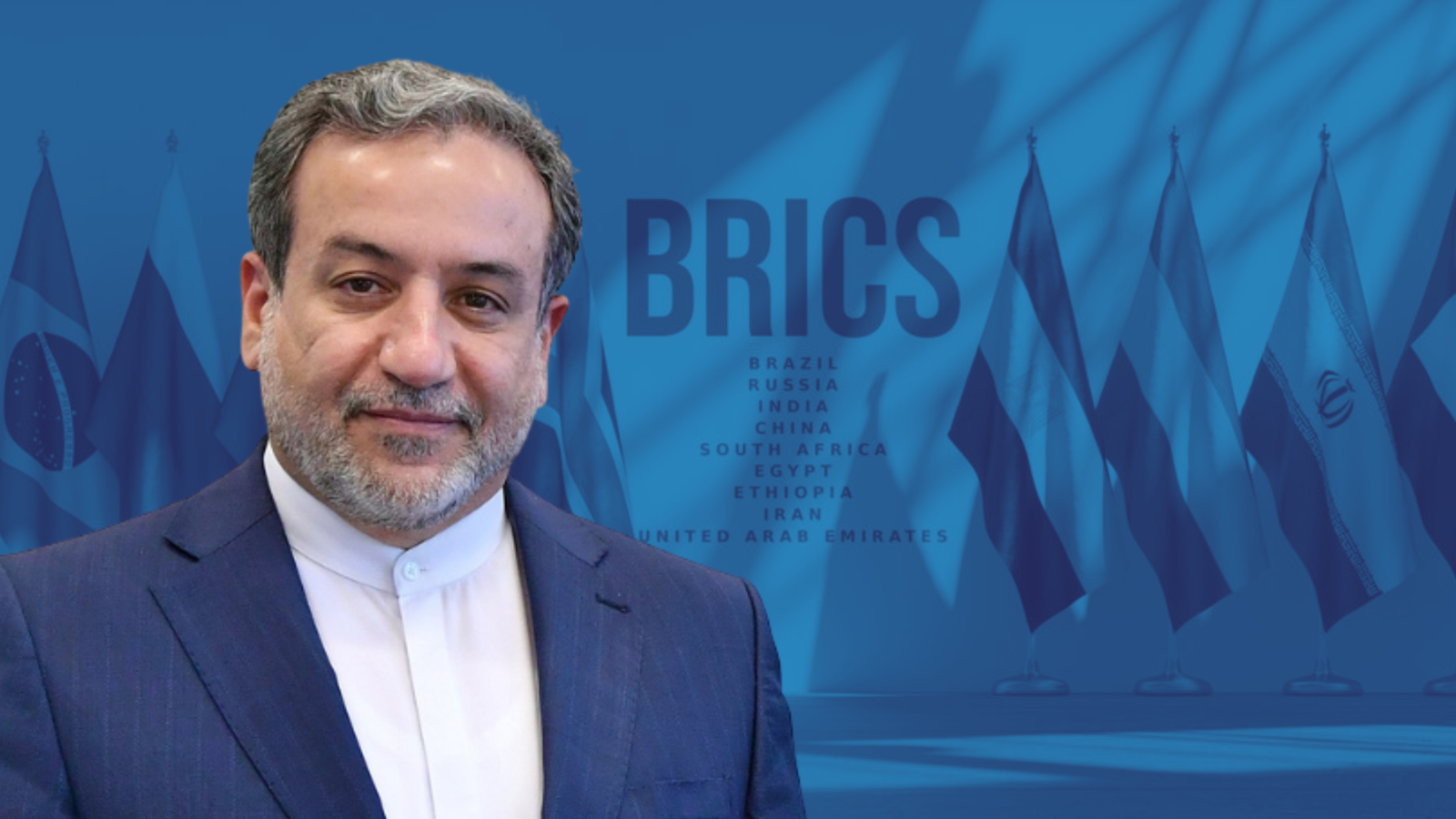
Iranian Foreign Minister Abbas Araghchi has praised India’s leadership of BRICS, expressing confidence that New Delhi can guide the expanding bloc “in an excellent way.”
Speaking ahead of the BRICS Summit in New Delhi, Araghchi voiced support for greater use of national currencies in trade between BRICS member countries. He also said that the proposal for a common BRICS currency remains under consideration.
India is currently serving as the BRICS chair, with the grouping continuing to expand its membership while seeking deeper economic and financial cooperation among its members.
Araghchi’s comments underline Iran’s support for India’s role within the bloc at a time when BRICS countries are increasingly discussing ways to strengthen economic ties and reduce dependence on traditional international currencies for cross-border transactions.
BRICS Push for Greater Financial Cooperation
The greater use of national currencies could become an important area of cooperation among BRICS members. Supporters of the idea argue that conducting more trade in local currencies could reduce exposure to fluctuations in major international currencies and potentially lower dependence on established global payment systems.
The idea of a common BRICS currency has also attracted considerable international attention. However, such a proposal remains under discussion, with significant economic and policy questions still to be addressed before any common currency could become a reality.
For India, its BRICS chairmanship provides an opportunity to shape discussions on trade, finance and economic cooperation within the expanding group.
Araghchi’s endorsement adds to the growing focus on India’s role in steering BRICS as the bloc seeks to strengthen its position in the global economic order.