Why Pakistan’s BRICS Bid Continues to Face a Major Roadblock

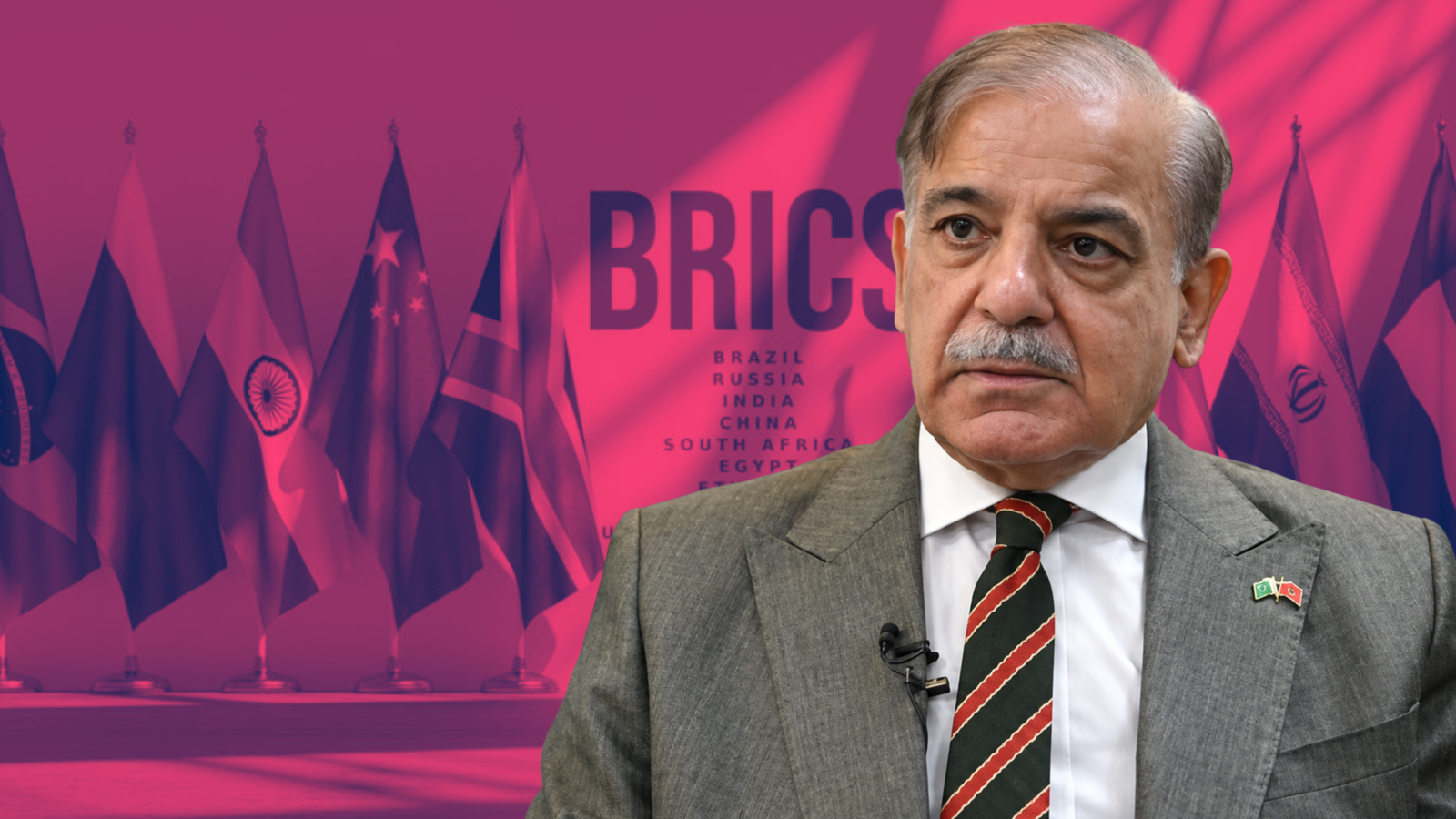
Pakistan’s efforts to join BRICS have so far failed to produce a breakthrough, with India’s opposition reportedly emerging as one of the biggest obstacles to its membership ambitions.
Pakistan formally applied for BRICS membership in November 2023 and has sought support from key members, particularly China and Russia. Islamabad has also taken steps to strengthen its engagement with the grouping, including purchasing a reported $580 million stake in the BRICS-backed New Development Bank, in an effort to expand its access to international development financing.
Despite these efforts, Pakistan remains outside the expanded BRICS grouping.
The bloc has grown significantly in recent years, adding Egypt, Ethiopia, Iran, the United Arab Emirates and Indonesia to its membership. The expansion has increased BRICS’ economic and geopolitical weight while also making membership decisions increasingly significant.
A major challenge for Pakistan is the bloc’s consensus-based approach to admitting new members. Membership requires the agreement of all existing members, meaning opposition from even one member can prevent a country from joining.
This is where India has emerged as a key hurdle for Pakistan. Relations between the two neighbouring countries remain strained, particularly over security and political issues. New Delhi’s reported reservations about Pakistan’s membership therefore carry considerable weight in the consensus-driven process.
Pakistan’s attempts to secure backing from China and Russia reflect its efforts to build support within the group, but support from individual members may not be enough if consensus cannot be achieved.
For now, Pakistan’s BRICS ambitions remain unresolved. While Islamabad has increased its engagement with the grouping and positioned itself as a potential future member, overcoming India’s objections could prove critical to turning its application into actual membership.