
Yogi Adityanath Highlights UP’s Healthcare Expansion, Says 85 Medical Colleges and 2 AIIMS Are Operational

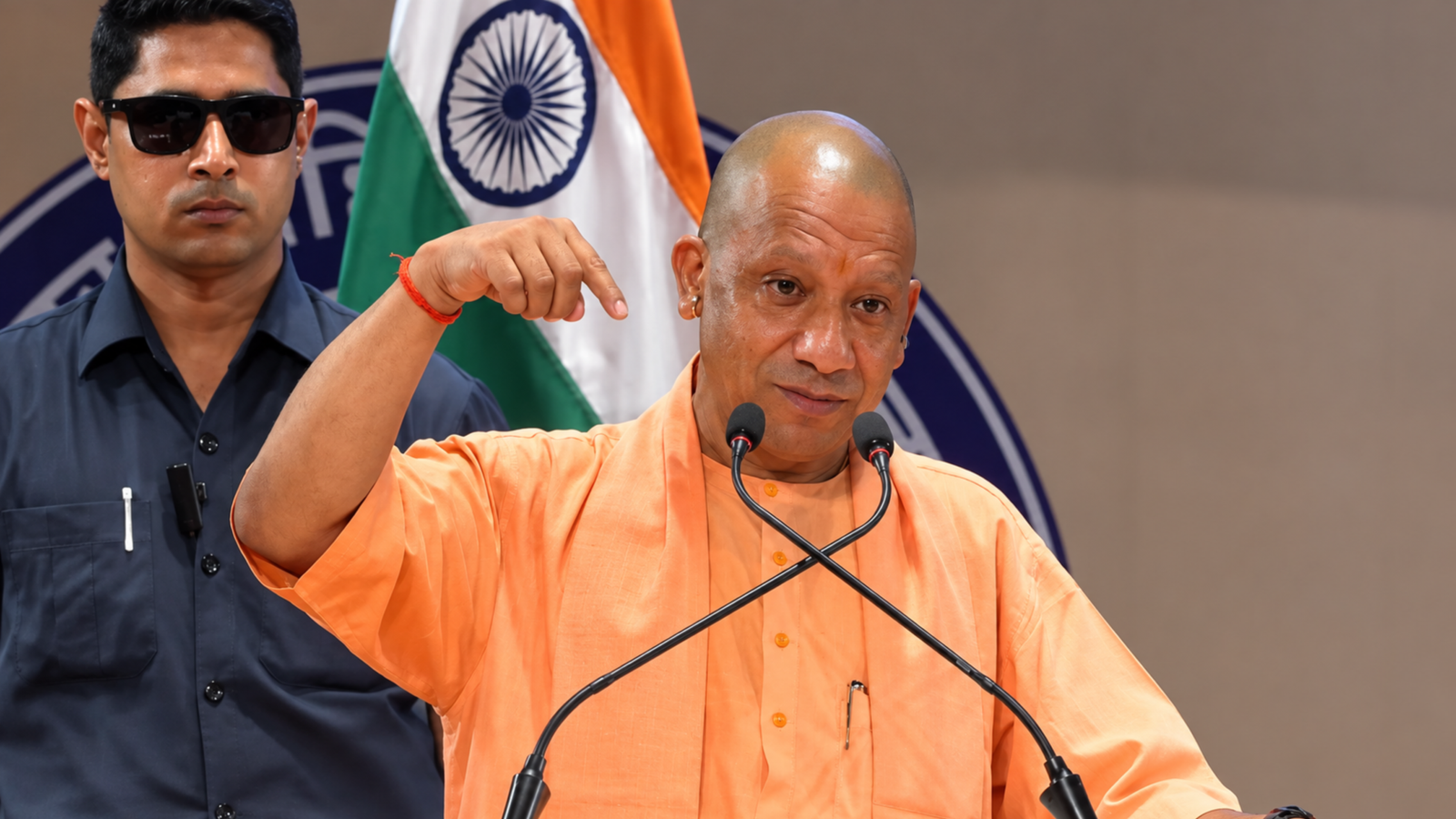
Uttar Pradesh Chief Minister Yogi Adityanath has highlighted the expansion of the state’s healthcare infrastructure, saying that 85 medical colleges and two AIIMS are currently operating across Uttar Pradesh.
The figure represents a significant expansion on paper. But the announcement has also reignited a broader debate: does the number of medical institutions accurately reflect the quality and accessibility of healthcare available to ordinary residents?
For a state as large and populous as Uttar Pradesh, the answer cannot be measured only through the number of institutions on an official list. The availability of doctors, nurses, beds, diagnostic facilities, emergency care and specialist services ultimately determines whether healthcare expansion translates into better outcomes for patients.
From Infrastructure Numbers to Ground-Level Healthcare
The government’s emphasis on the growing number of medical colleges reflects the scale of infrastructure development undertaken in recent years.
Critics, however, have questioned whether every institution counted in such statistics represents an entirely new medical facility or whether some have been developed by upgrading existing district-level healthcare infrastructure.
That distinction matters.
Converting or upgrading an existing hospital into a medical college can substantially improve its capabilities, but the transformation also requires adequate faculty, resident doctors, equipment, laboratories, intensive-care capacity and teaching infrastructure.
Simply changing the institutional designation does not automatically solve shortages in manpower or emergency-care capacity.
The Real Test Is What Happens to Patients
The debate becomes more important when patients require urgent treatment.
Critics of Uttar Pradesh’s healthcare system have cited experiences in which patients are referred from one facility to another because of shortages of beds, specialists or specific treatment capabilities.
Such experiences raise an important question about the state’s healthcare network: Are the new institutions capable of treating patients locally, or do they continue to function primarily as referral points for larger hospitals?
This is particularly significant for people from rural districts, for whom travelling to Lucknow or even Delhi can mean additional financial and logistical pressure.
The Delhi Factor
One of the strongest criticisms of healthcare delivery in Uttar Pradesh is the continued movement of patients toward major institutions in Delhi.
If patients from different parts of Uttar Pradesh continue travelling to Delhi for treatment that they cannot obtain locally, it could indicate that infrastructure expansion has not yet completely translated into public confidence and comprehensive specialist care.
At the same time, patient migration alone cannot establish that Uttar Pradesh’s medical colleges are ineffective. Major hospitals in Delhi attract patients from across India because of their specialised departments, advanced procedures and established reputation.
The more useful question is whether Uttar Pradesh’s expanding medical network is gradually reducing the need for patients to travel outside the state for routine and specialised treatment.
Buildings Alone Cannot Transform Healthcare
A successful healthcare system requires much more than hospitals and medical-college buildings.
It depends on qualified medical professionals, adequate staffing, modern equipment, reliable medicines, emergency services and effective administration.
This is where the government’s infrastructure claims will ultimately face their biggest test.
If new medical colleges have adequate staff and equipment and provide quality education and treatment, the expansion could represent a major long-term transformation of healthcare in Uttar Pradesh.
If institutions remain understaffed or lack essential facilities, however, the headline numbers will tell only part of the story.
The Bigger Question for Uttar Pradesh
There is little doubt that increasing the number of medical colleges can improve access to medical education and healthcare when accompanied by adequate investment and staffing.
But the real measure of the UP healthcare transformation should be the experience of the patient.
Can someone in a remote district receive emergency treatment without travelling hundreds of kilometres? Are specialist doctors available when required? Can hospitals provide critical-care beds during emergencies? Are diagnostic services accessible and affordable?
These are the questions that will determine whether Uttar Pradesh’s expanding healthcare infrastructure becomes a genuine transformation or remains primarily an impressive statistic.
The government’s claim of 85 medical colleges and two AIIMS is therefore significant. But the next stage of the debate should move beyond counting institutions and focus on what those institutions can actually deliver.
For patients, the most important number isn’t how many hospitals exist—it is how many people can receive the right treatment when they need it.